You are not alone
WHAT IS FND?
Functional Neurological Disorder (FND) is a medical condition where there is a problem with the functioning of the nervous system and how the brain and body send and receive signals.
Historically misunderstood, modern neuroscience has revolutionised our understanding of FND.
We now know it is not imagined and it is not a diagnosis of exclusion. It is a specific disorder of brain network connectivity.
Symptoms can include:
Weakness, paralysis, or movement issues
Non-epileptic seizures
Speech and swallowing difficulties
Sensory changes (numbness, tingling, vision issues)
Cognitive issues like brain fog and memory problems
Chronic pain and fatigue Symptoms are real, but they occur due to functional issues rather than structural damage (e.g., like a software glitch rather than a hardware failure).
Many people describe FND as the body being stuck in survival mode.
Watch videos or read reputable sources like the FND Hope website or neuroscience-based explanations to better understand your diagnosis.
Join our private Facebook group to interact with other local people with FND
THE SCIENCE: WHAT IS HAPPENING IN THE BRAIN?
Current research suggests that FND is a problem with predictive processing and attention.
The human brain is not just a passive receiver of information; it is constantly predicting what should happen next based on past experiences.
Normal Function: When you move your arm, your brain predicts the sensation of movement and dampens the signal so you don't have to think about it.
In FND: This predictive mechanism goes awry. The brain develops an abnormal "expectancy" of a symptom (like weakness or a seizure) often below the level of conscious thought. The brain then filters sensory data through this prediction, essentially creating the symptom it expects to find.
It is a "Network Disorder" Functional MRI (fMRI) studies have shown that patients with FND have abnormal connectivity between the parts of the brain that control movement/sensation and the parts involved in emotion and agency (the feeling that "I am doing this"). This disconnect explains why a limb can feel paralyzed even though the muscles are capable of working, or why a seizure happens without electrical storming in the brain.
FND is best managed by a multidisciplinary team, but access to specialists can vary.
Key professionals to consider:
Neurologist (for diagnosis and rule out other conditions)
Physiotherapist (for movement retraining)
Occupational Therapist (OT) (for daily function support)
Speech & Language Therapist (SLT) (for speech/swallowing issues)
Psychologist/Therapist (for emotional support, CBT, trauma therapy if needed)
Not all doctors are familiar with FND—if one dismisses you, seek a second opinion if possible.
Find the Right Medical Support
DOWNLOAD
Clinical Pathway for adults with FND
FND symptoms fluctuate and can be triggered by stress, fatigue, overstimulation, or even unknown factors.
Keeping a symptom diary can help you identify patterns.
Note:
What symptoms occurred
What you were doing before the symptom appeared
Any possible triggers (stress, lack of sleep, overstimulation, etc.)
What helped ease the symptoms
TRACK YOUR SYMPTOMS
LEARN TO MANAGE YOUR SYMPTOMS
Pacing & Energy Management:
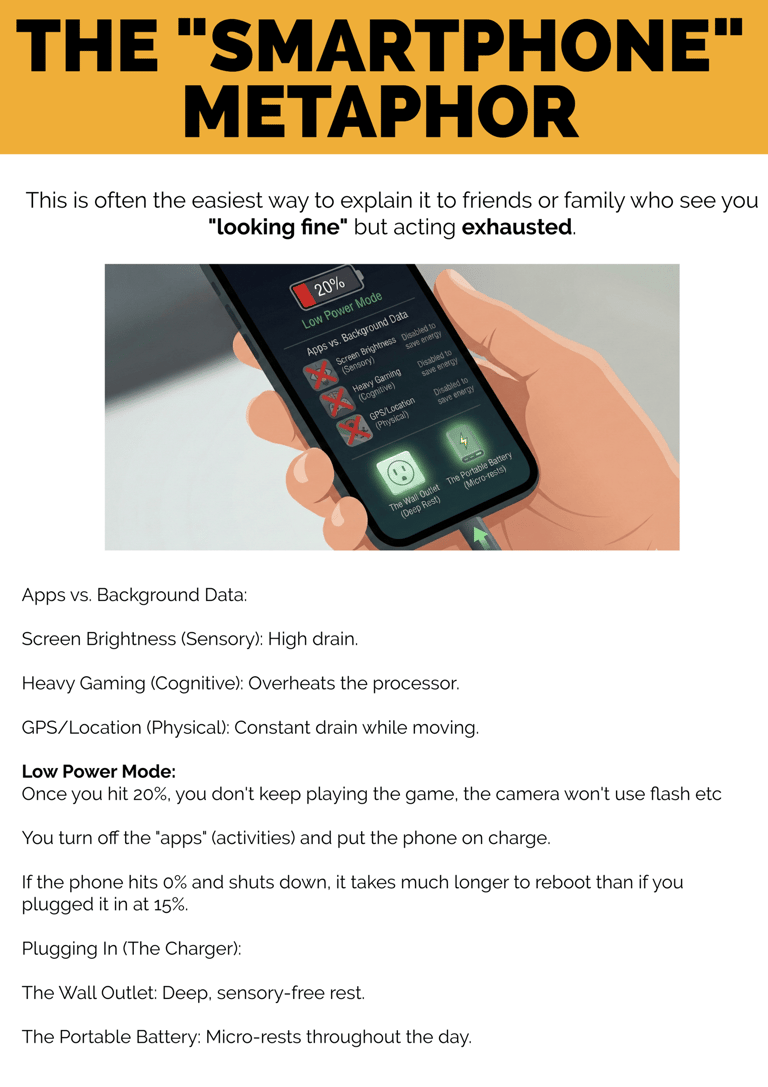
Think of your energy like a battery—don’t drain it all at once.
Alternate between activity and rest to avoid symptom flare-ups.
Grounding Techniques for Dissociation or Seizures:
Name 5 things you see, 4 things you touch, 3 things you hear, 2 things you smell, 1 thing you taste.
Hold something textured, smell essential oils, or sip cold water.
Movement Strategies:
Gentle physiotherapy-based exercises can help rewire movement patterns.
Some people find rhythm (like walking to a beat) helpful.
Cognitive Strategies for Brain Fog:
Break tasks into small steps.
Use timers, reminders, or checklists.
Emotional Regulation & Stress Management:
Mindfulness, breathing exercises, and therapy can help reduce stress-related symptom worsening.
Adapt Your Daily Life
At Home:
Use adaptive tools if needed (walking aids, voice-to-text software, kitchen gadgets).
Set up rest spaces in your home.
At Work/School:
Consider reasonable adjustments (reduced hours, remote work, extra time for tasks).
Speak to HR or disability support services.
Social Life:
Learn to say no without guilt—socializing is important, but so is managing your energy.
Find supportive friends who understand your limits.
Find Support & Community
Online Groups:
Facebook groups, Reddit communities, or FND-specific forums can connect you with others who understand.
Local Support Groups:
Some areas have in-person FND support groups (e.g., FND Hope, FND Moray if in Scotland).
Advocate for Yourself:
If healthcare providers don’t understand FND, bring printed resources to appointments.
Consider Therapy or Mental Health Support
Many people with FND have experienced stress, trauma, or anxiety, which can impact symptoms.
Therapy is not about "curing" FND but about helping the brain process emotions and stress better.
Helpful approaches:
CBT (Cognitive Behavioral Therapy) for symptom management strategies.
IFS (Internal Family Systems) or EMDR (Eye Movement Desensitization & Reprocessing) for trauma-related symptoms.
Mindfulness-Based Therapy for grounding and emotional regulation.
Set Realistic Goals for Recovery
Some people fully recover, while others learn to manage symptoms effectively.
Focus on small, sustainable improvements rather than a quick fix.
Recovery is not linear—you will have setbacks, but that doesn’t mean you’re back to square one.
BE KIND TO YOURSELF
FND is unpredictable—some days will be harder than others.
It’s okay to rest. It’s okay to feel frustrated.
You are not "lazy" or "faking it." You are navigating a complex neurological condition.